
29.09.2026

From 23 to 28 August 2026, 21 MSc and PhD students and postdoctoral researchers from 11 countries came together in Davos for the fourth edition of our Summer School on Blue-Green Biodiversity, organized by the WSL-Eawag Biodiversity Center, WSL, and Eawag.
Four editions in, the summer school continues to explore a set of fundamental questions: How are aquatic and terrestrial ecosystems connected? What are their similarities and differences in terms of biodiversity patterns, ecological and evolutionary processes, and their responses to global drivers? How can an evidence-based understanding of blue-green biodiversity contribute to better policies and decision-making?
As in previous years, the summer school brought together students and researchers from diverse disciplines and geographical backgrounds. Their research projects ranged from the genetic diversity of zooplankton to water management across the Danube River Basin, from alpine swifts in Switzerland to artisanal fisheries in Ghana, and from monitoring in small and forgotten waters in the Netherlands to plankton communities in Lake Titicaca, Bolivia.
This diversity is one of the strengths of the summer school, and something both participants and lecturers value. Working side by side with people from other disciplines and regions, participants get to see familiar questions from new angles and to learn from approaches beyond their own field.
In their own words 
Four participants share their reflections on the fourth edition of the summer school on blue-green biodiversity.

Harriya Musah-Yussif
Kwame Nkrumah University of Science and Technology, Ghana
The 2026 Blue-Green Biodiversity Summer School gave me a different way of looking at ecosystems. Coming from a background in aquaculture and fisheries management, I naturally tend to think about aquatic systems first, but the programme helped me appreciate how closely blue and green ecosystems are connected.
What stood out to me most was the emphasis on working with people. Through the lectures, excursions and practical sessions, I learned that understanding an ecosystem is not enough; meaningful conservation and restoration also require listening to local stakeholders, understanding different perspectives and creating space for people to participate.
I left Davos with new knowledge, new connections and, perhaps most importantly, more questions. It was a valuable experience that has encouraged me to think more broadly about how we can connect biodiversity conservation, communities and ecosystem management in my own work in Ghana.

Adler Barboza
Federal University of Paraná, Brazil
The Blue-Green Biodiversity Summer School 2026 was magnific. It was my first experience on this concept that is a summer school. Staying for 6 days among people from different countries and backgrounds, living together, sharing ideas, laughing, and engaging on the blue-green topics was the best experience I could get.
The lectures and group activities opened my mind to the blue world, especially the blue-green interface. I come from a very terrestrial background, and learning how ecology, socioecology, and infrastructure can support both ecosystems opened my eyes to different perspectives.
Also, the excursions through the Swiss ecosystems were very new to me. My tropical biodiversity experience collapsed with the ecological dynamics and structure of fens, bogs, and alpine vegetation. It was good to learn more about it.
I brought back home all the information I received, what I saw, and the good memories of the people who shared this with me.

Daniela Ramos
Universidad Mayor de San Andrés, Bolivia
Participating in this course was a transformative experience at every level. It was a challenging program, even more so coming from another continent; however, the professors, peers, and staff were extremely kind and always attentive to making the experience as enriching as possible.
The learning went far beyond the lectures. I gained valuable skills in preparing and delivering research presentations, improved my teamwork abilities, and learned so much from the incredible diversity of cultures and backgrounds among the participants.
Thank you so much to everyone for making this course so amazing, and a special thank you to the professors for so generously sharing their knowledge with us.
Throughout the program, I met wonderful people with whom I hope to stay in touch. I am leaving with a truly great experience.

Leila Hossein Abadi
Netherlands Institute of Ecology (NIOO-KNAW)| University of TwenteI came to the Blue-Green Biodiversity Summer School in Davos hoping to strengthen the ecological foundations of my PhD. I left with a clearer sense of how I want to approach both my research and my collaborations.
At the Netherlands Institute of Ecology (NIOO-KNAW), my work within the SLIMMEBURGER project explores how citizen science, affordable sensors, remote sensing and ecological modelling can improve our understanding of small, under-monitored waters. A central challenge is making sense of what these different observations tell us about an ecosystem. The summer school encouraged me to look more closely at the ecological processes behind the measurements: how changes in water color, transparency or phytoplankton relate to biodiversity and ecosystem functioning, and what further evidence is needed to interpret them reliably.
The emphasis on connections between aquatic and terrestrial ecosystems was especially valuable. It helped me place my study waters within a wider landscape of habitats, land uses and human activities. This perspective is shaping how I think about selecting monitoring locations and indicators, and how local observations might contribute to understanding processes such as primary production, decomposition, and carbon cycling.
The social dimensions of the program were equally relevant. Dr. Ross Shackleton’s session on participatory approaches and stakeholder engagement encouraged me to reflect on what meaningful participation should look like in SLIMMEBURGER. Alongside asking whether citizen observations are reliable, I want to ask whether the monitoring addresses participants’ concerns, recognizes their knowledge, and returns useful information to them.
The social–ecological network perspective presented by Dr. Janine Bolliger and Dr. Manuel Fischer offered a complementary way to think about the connections between citizens, researchers and water managers. Dr. Andreas Dietzel’s and Dr. Marco Moretti’s sessions on blue-green infrastructure also connected with the different ecological and recreational functions of my study sites. Together, these perspectives helped me sharpen a question that runs through my PhD: what should we measure, and how can those measurements support the people responsible for these waters?
What I will also carry with me is the example set by the organisers. As a junior researcher, I learned from their approach to leadership, their collaborative attitude and the encouragement they offered. It reminded me how much a research environment depends on people who listen, make room for different perspectives and help others feel confident enough to contribute. These are qualities I hope to bring into my own work with colleagues, project partners and citizen scientists.
My sincere thanks go to the organizers, all the lecturers and fellow participants. Davos gave me space to reconsider familiar questions, connect ideas across disciplines and grow more confident in the contribution I can make.
Photos 
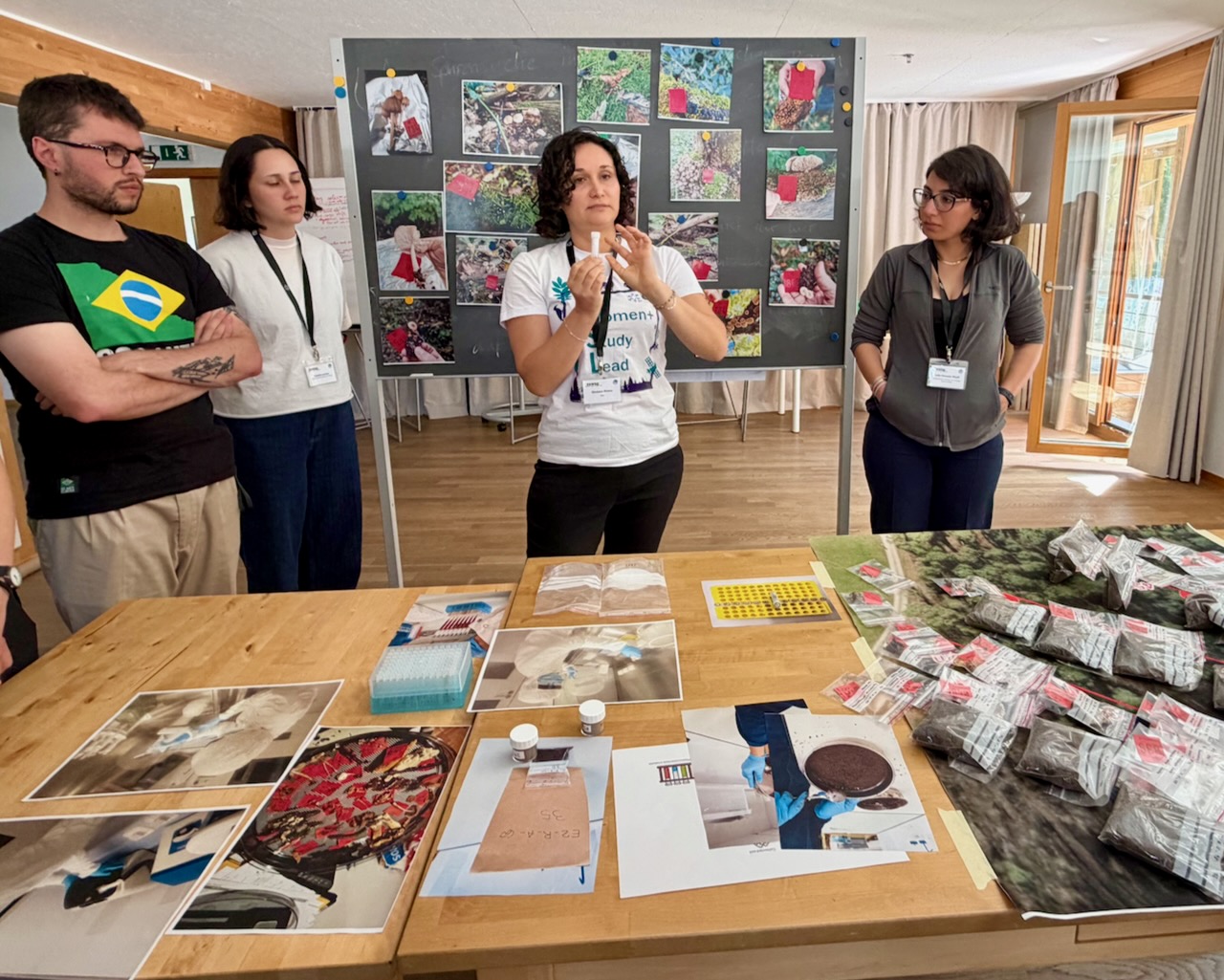
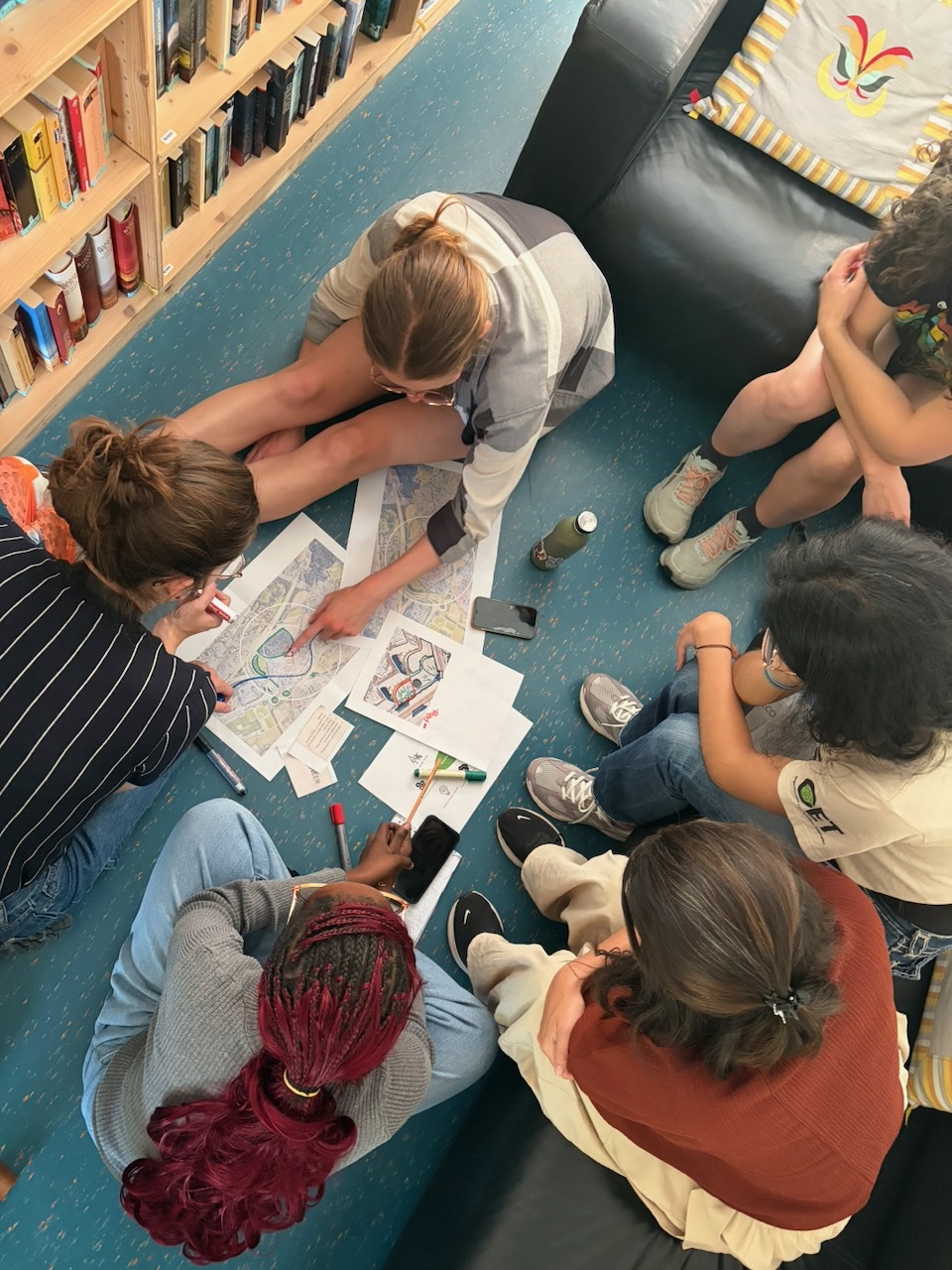
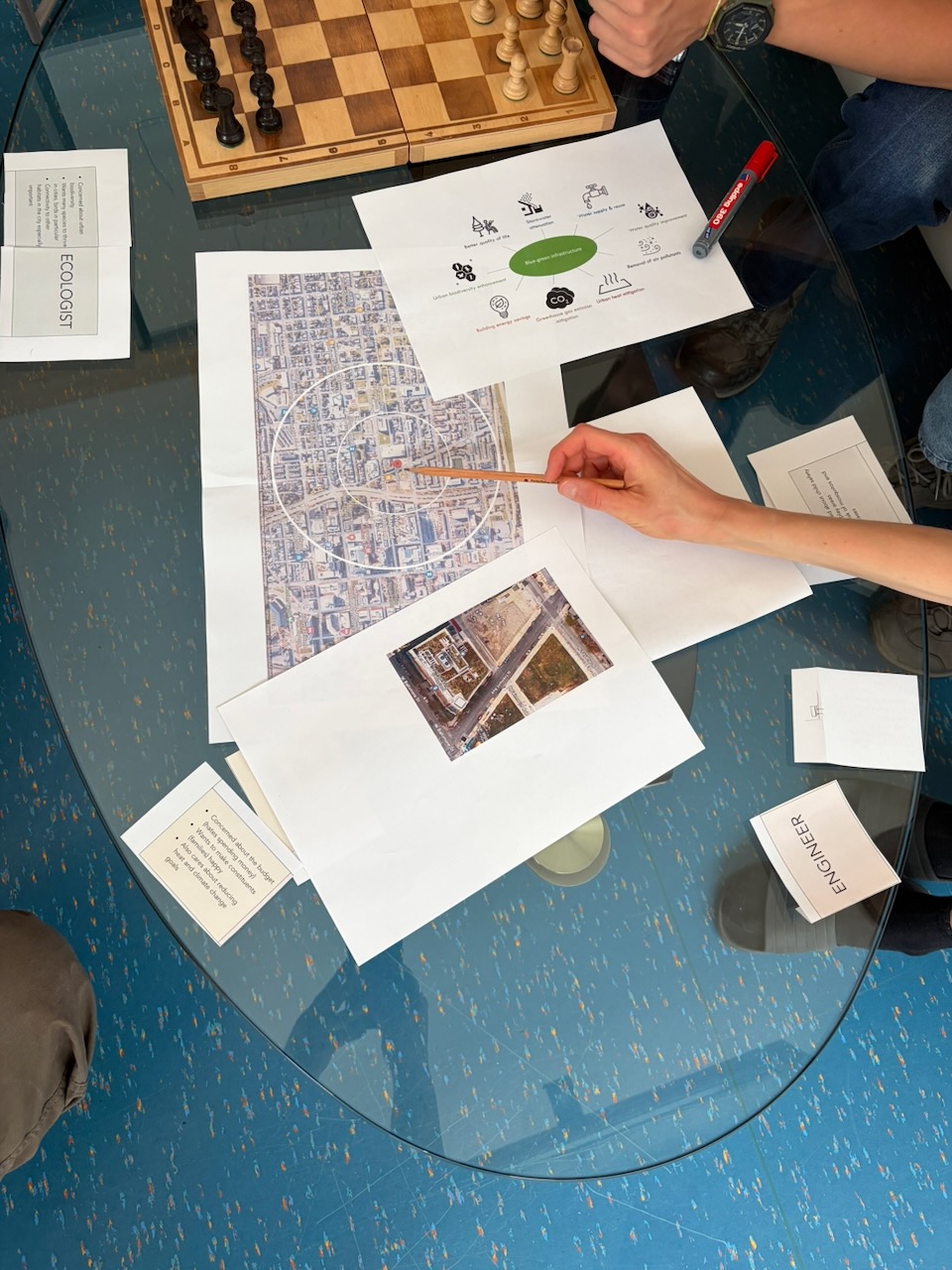
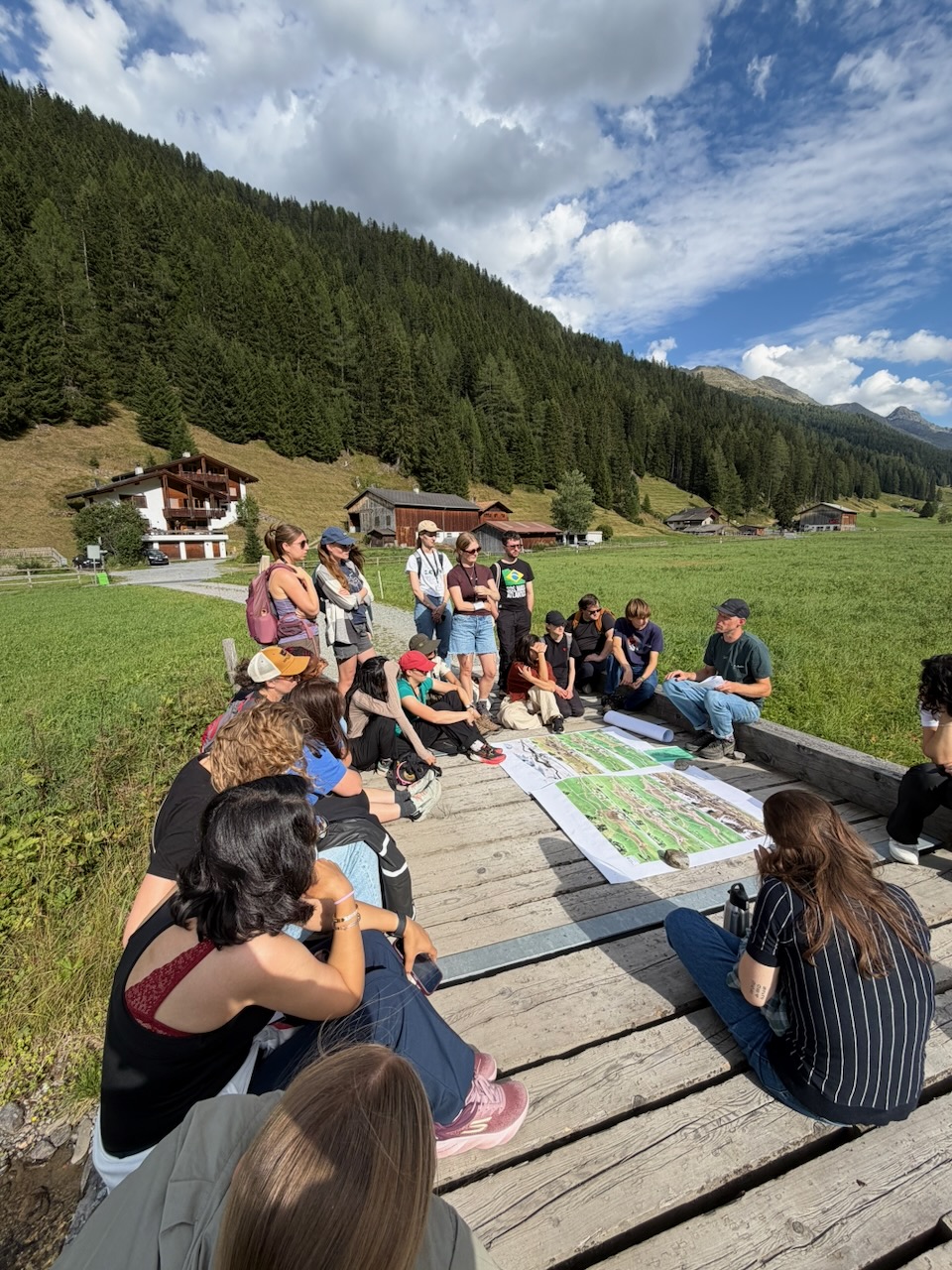
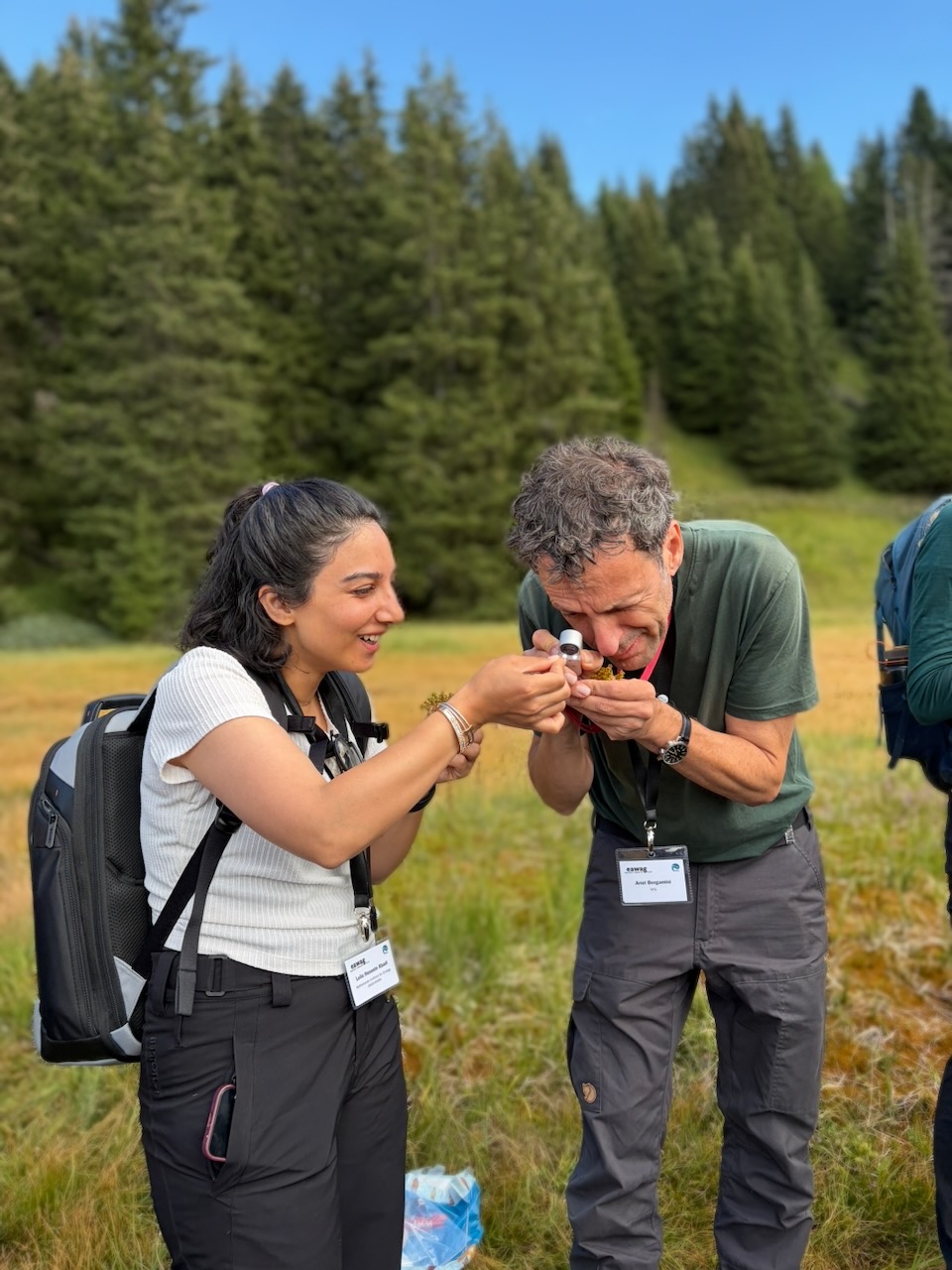
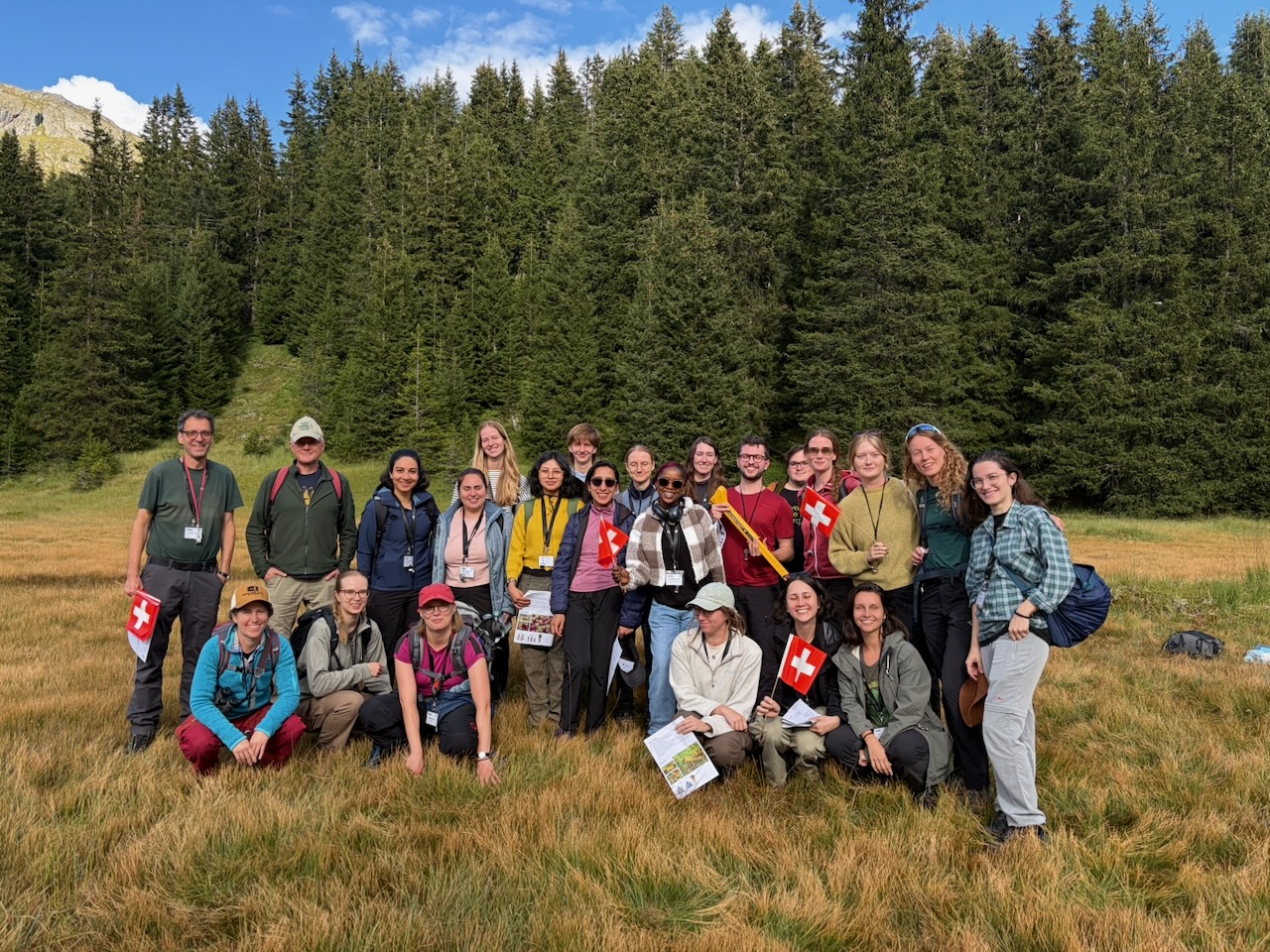
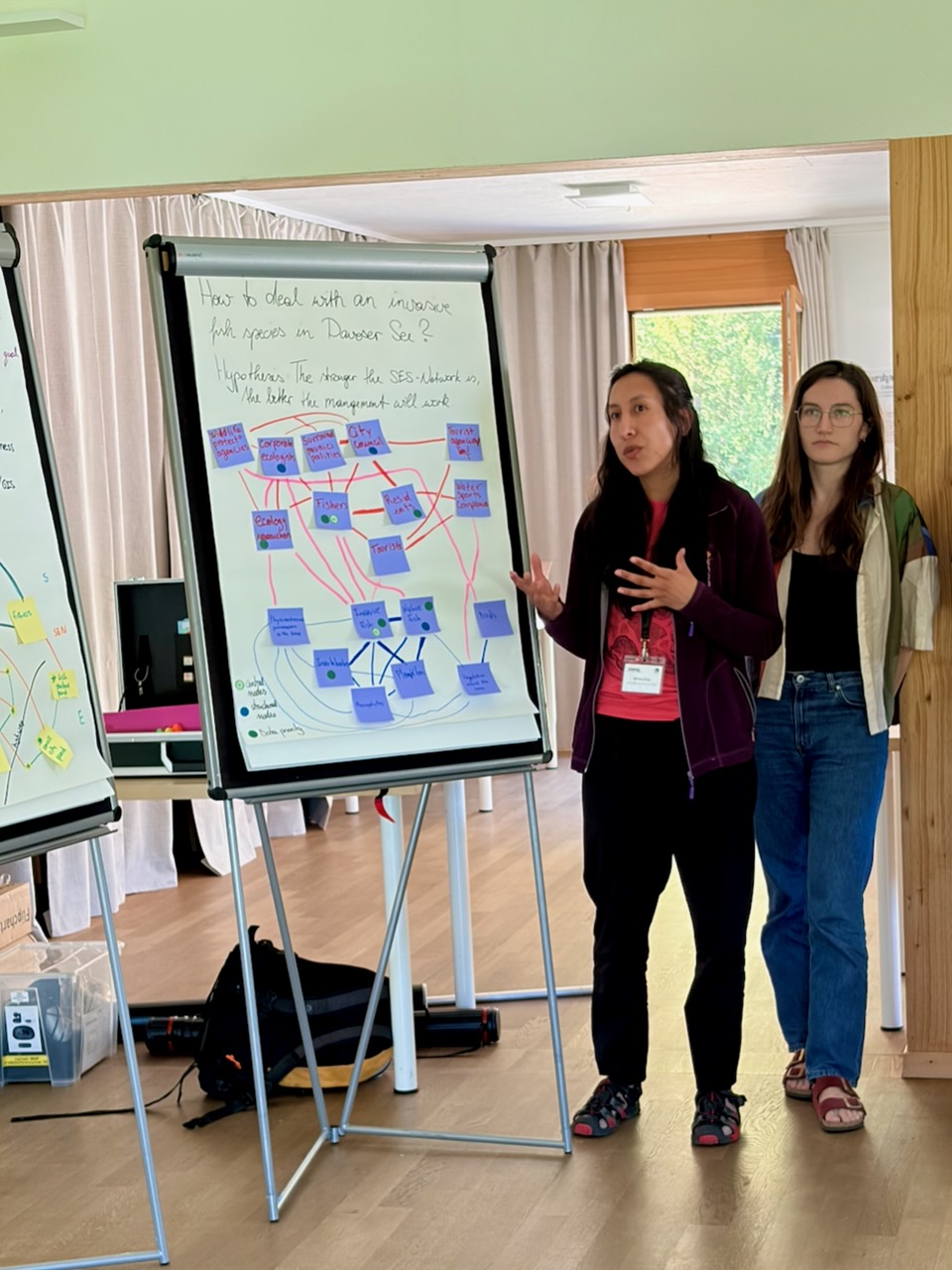
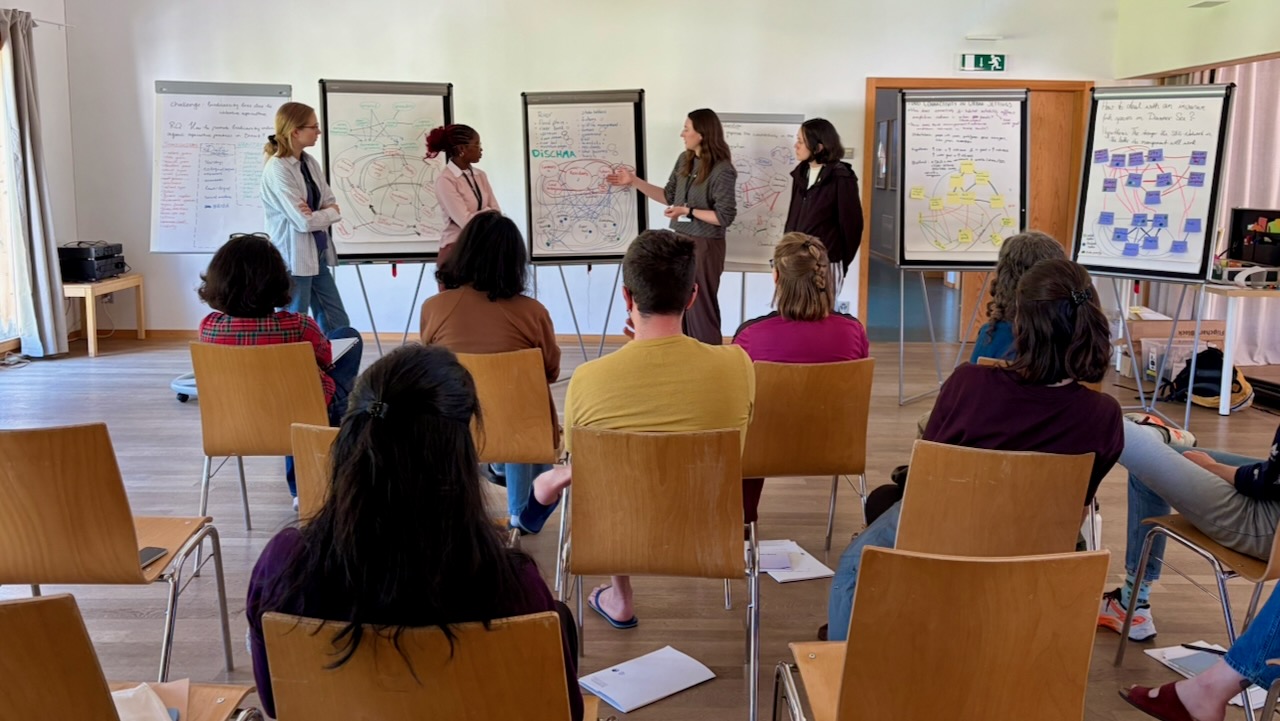
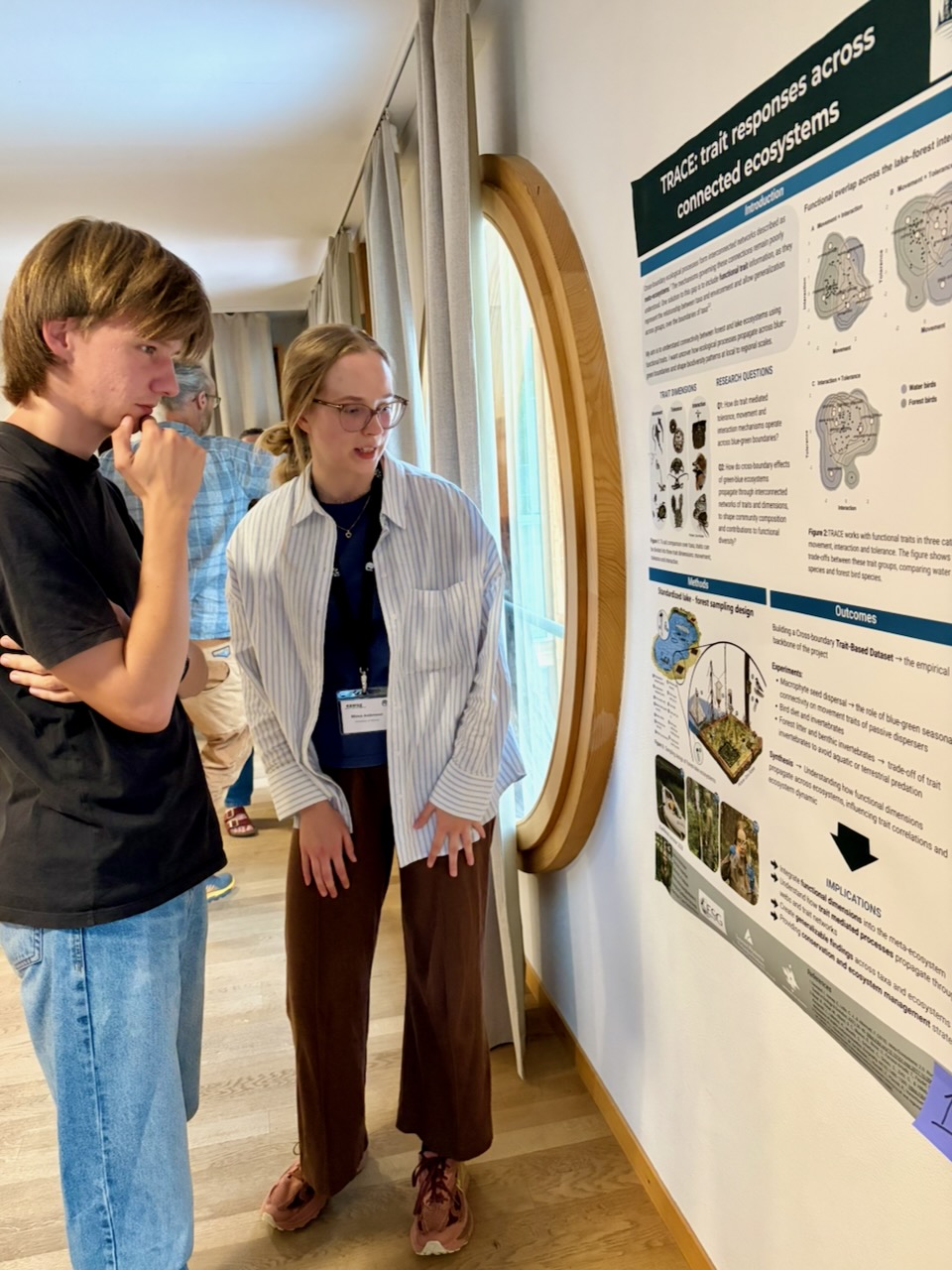
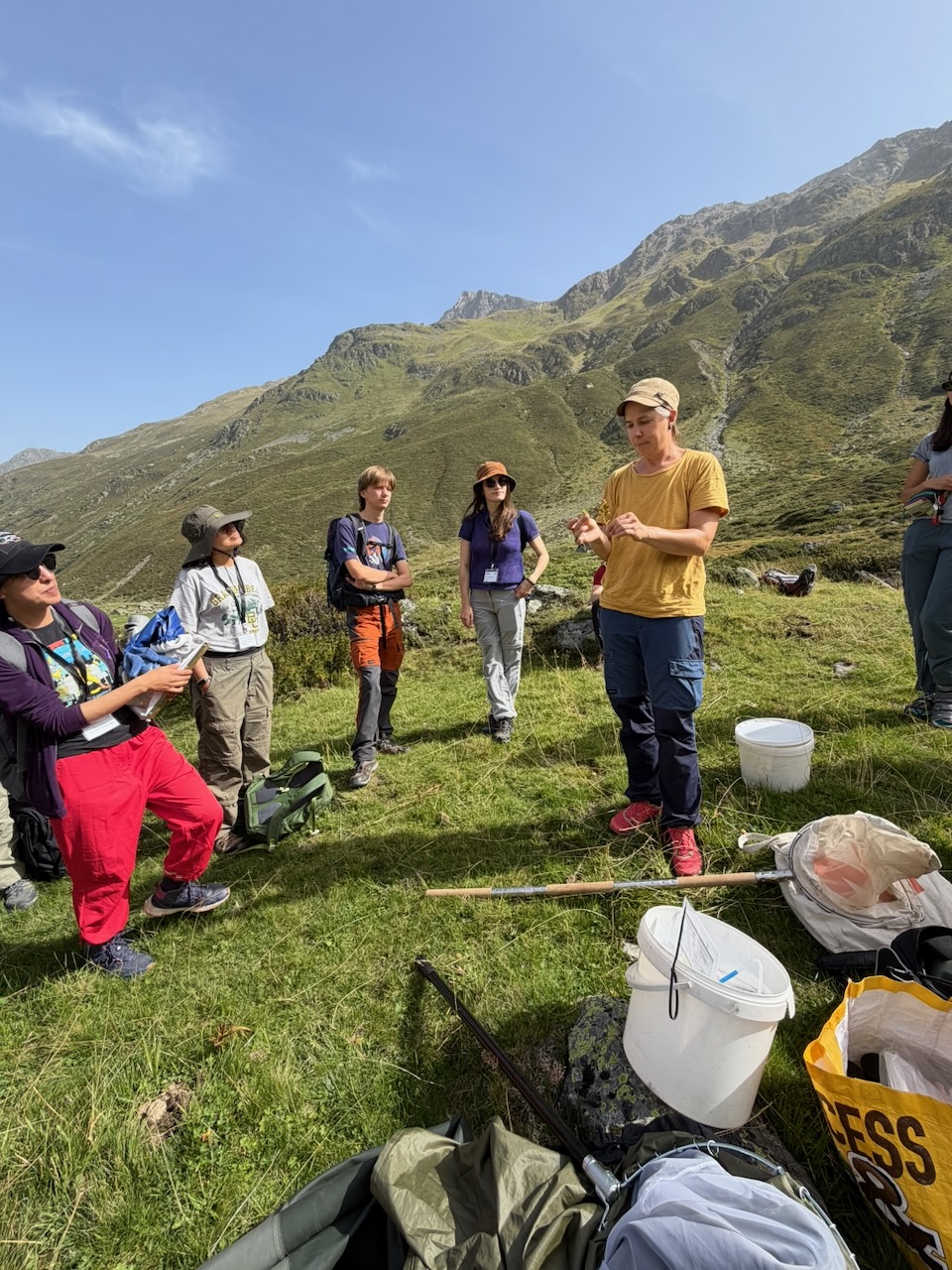
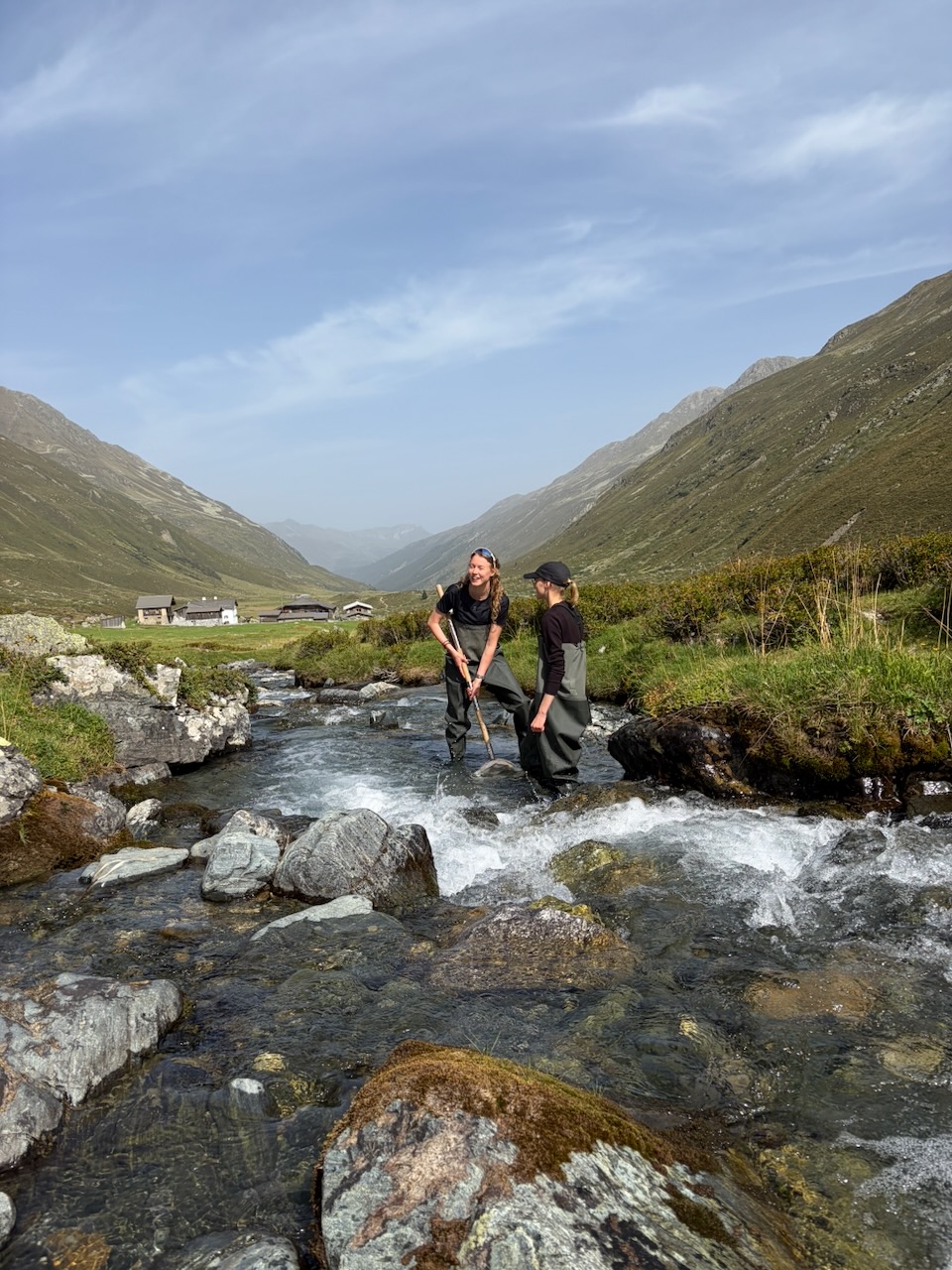
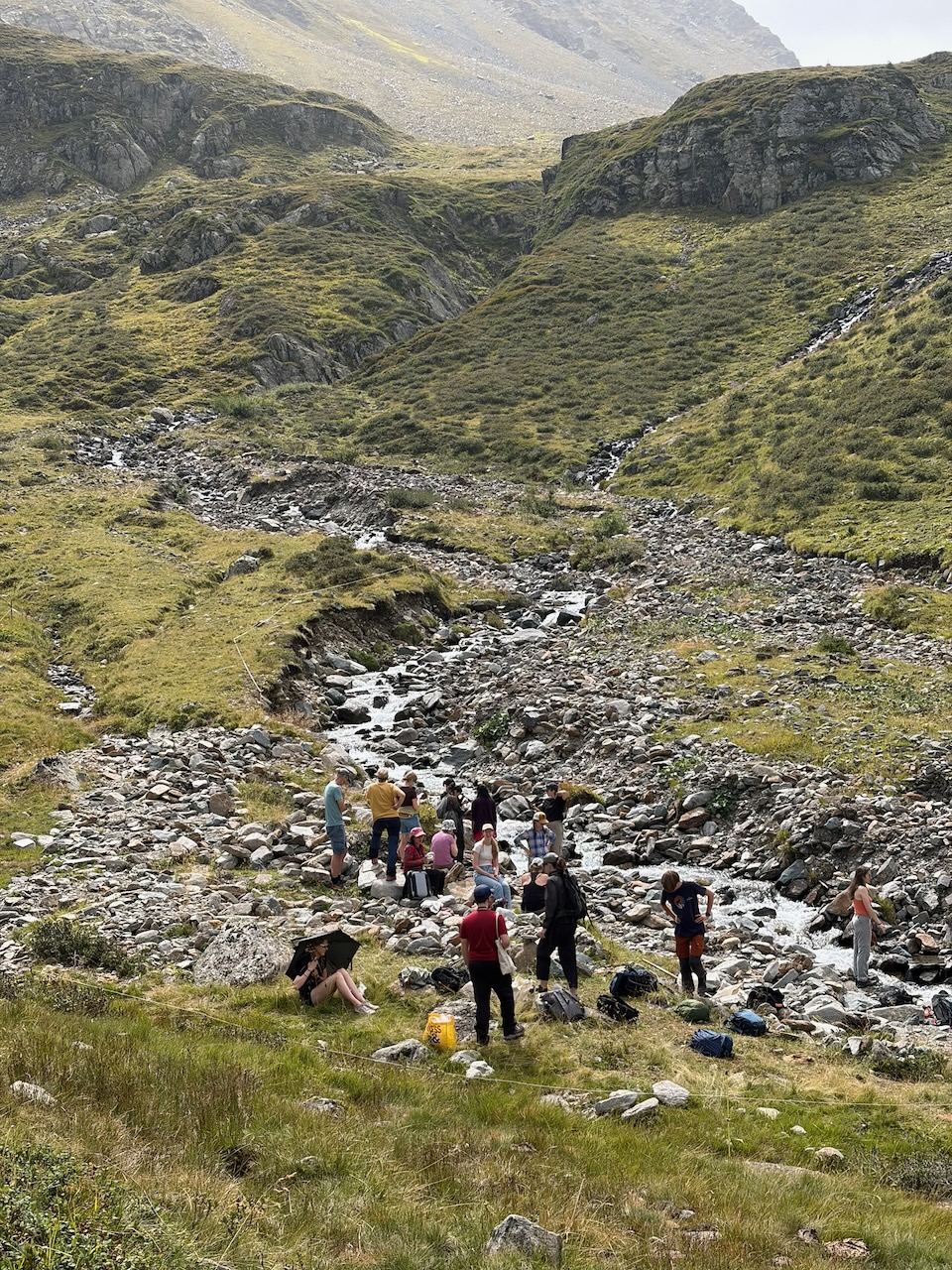
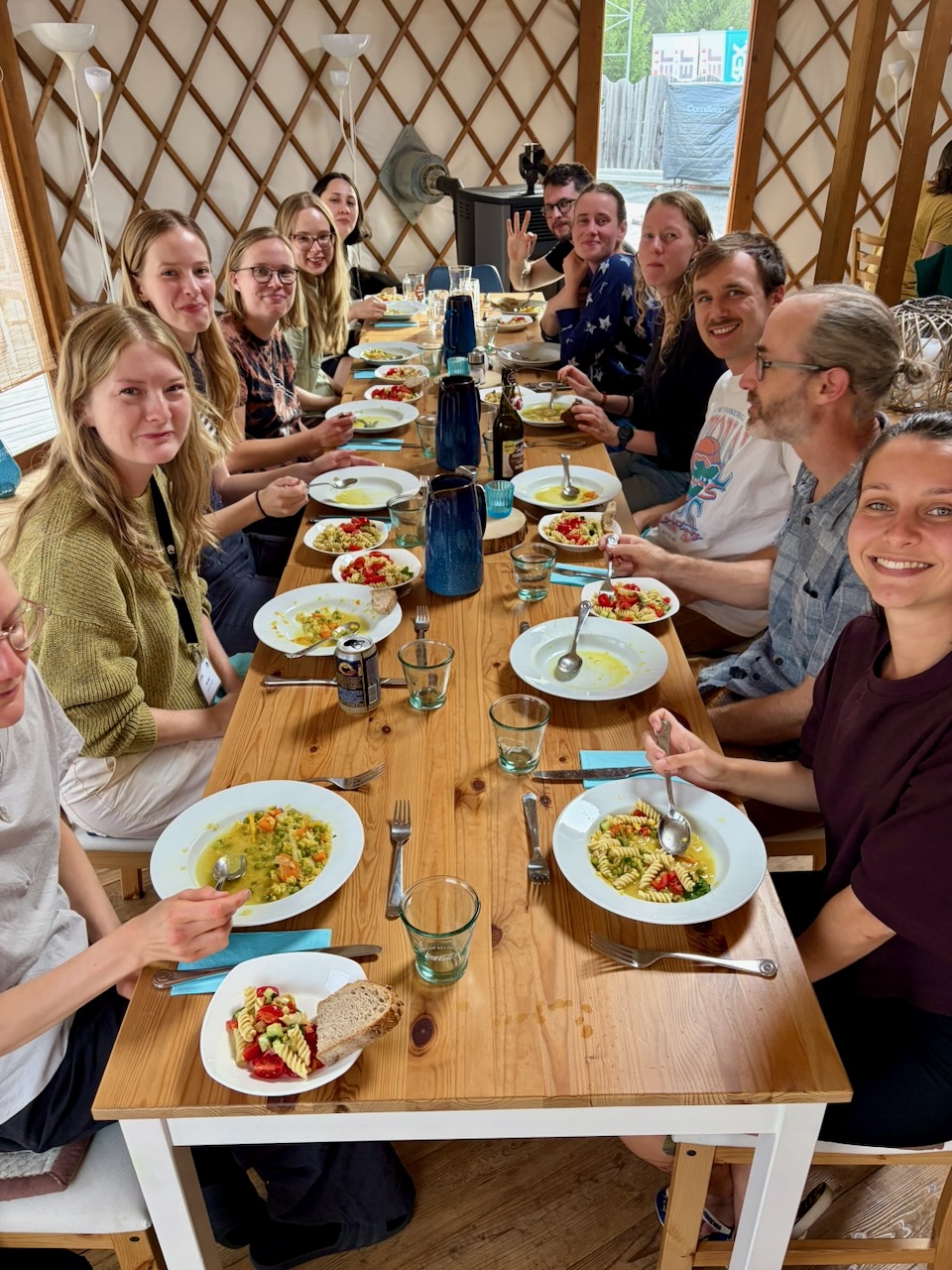
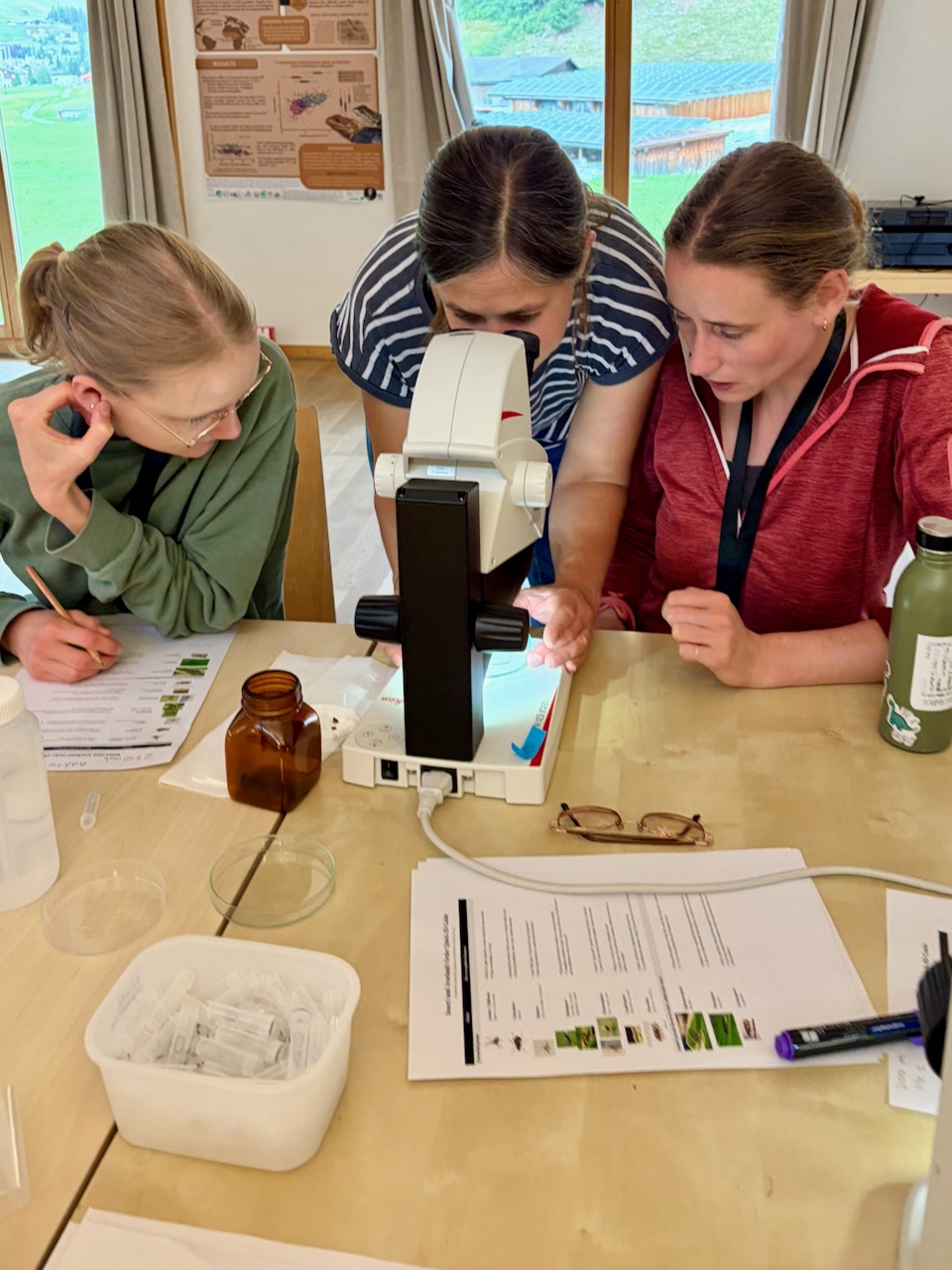
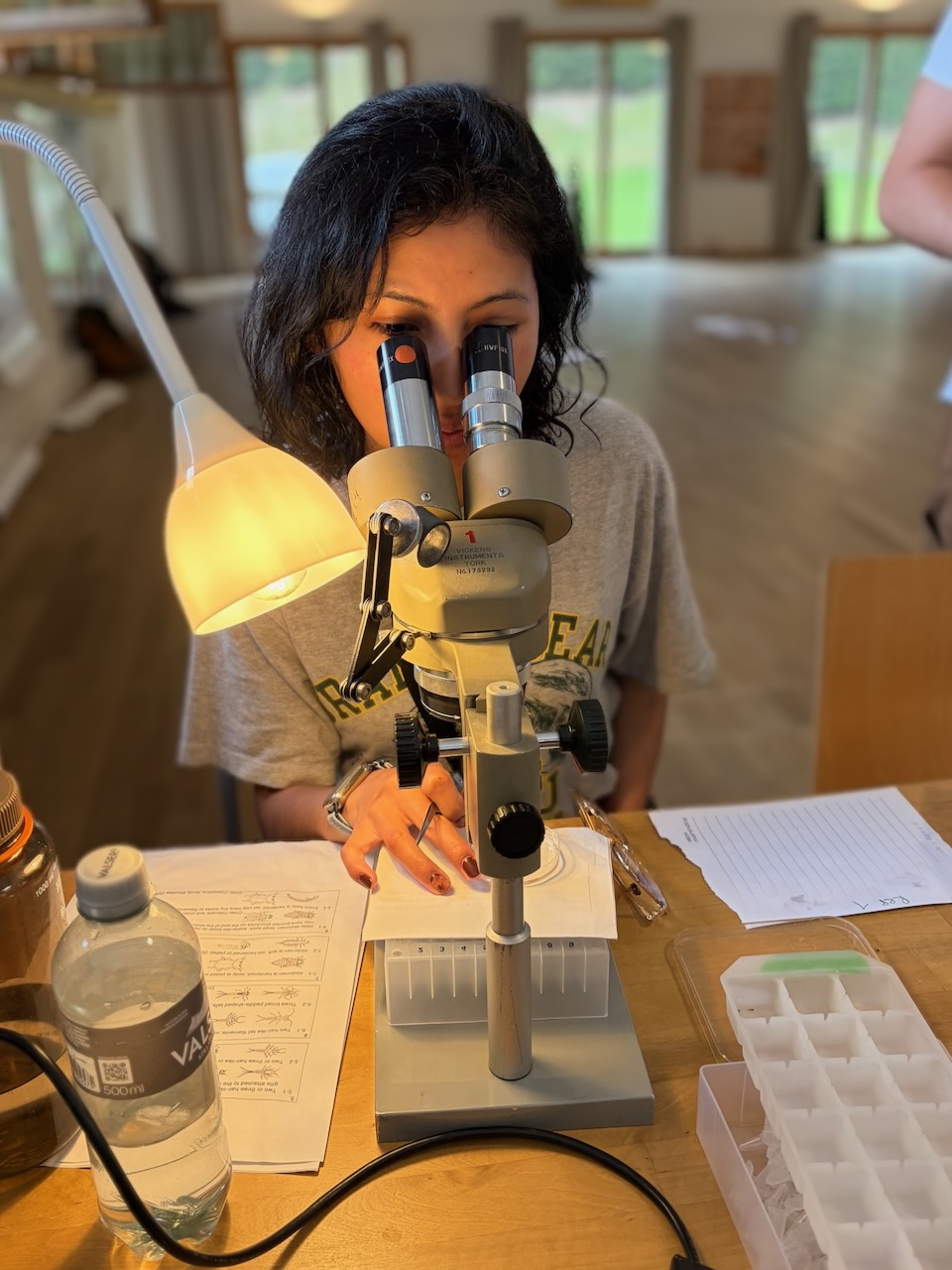
We would like to thank all participants and lecturers for their engagement and contributions, which made our summer school a success! Many thanks also to the wonderful team at Hotel Shima for hosting us for six days. Last but not least, we gratefully acknowledge ETH for Development (ETH4D) for supporting the participation of two students through travel grants.